E-Mail: charmfun@cdzgyc.com
Fungal Grass Fiber
Fungal Grass Fiber
Origin and Development
Fungal Grass Fiber originates from Chinese Fungal grass technology. It is a tall herbaceous plant with strong adaptability, capable of growing on wastelands, sandy soils, saline-alkali soils and abandoned mine lands, and has ecological functions such as windbreak and sand fixation, soil improvement, water and soil conservation, and carbon sequestration and reduction.
- Highly adaptable
- Windbreak and sand fixation
- Soil improvement
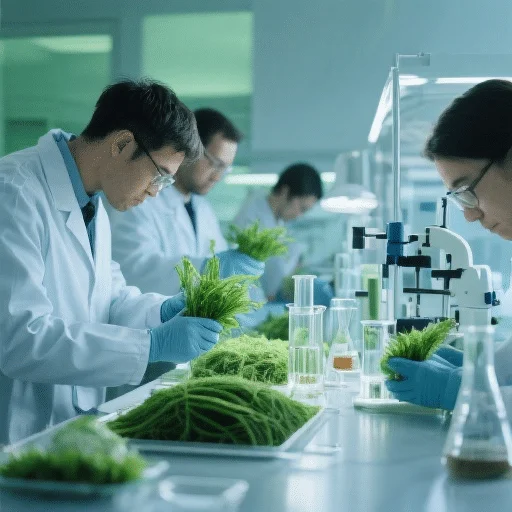
Technical Features
Fungal grass fibre has multiple unique advantages, making it an innovative material choice for the textile industry
High cellulose content
The cellulose content of fungal grass fibre is high, making it easy to convert into pulp, and the quality used for producing viscose filament can even surpass that of traditional wood pulp and cotton pulp.
Energy-saving production
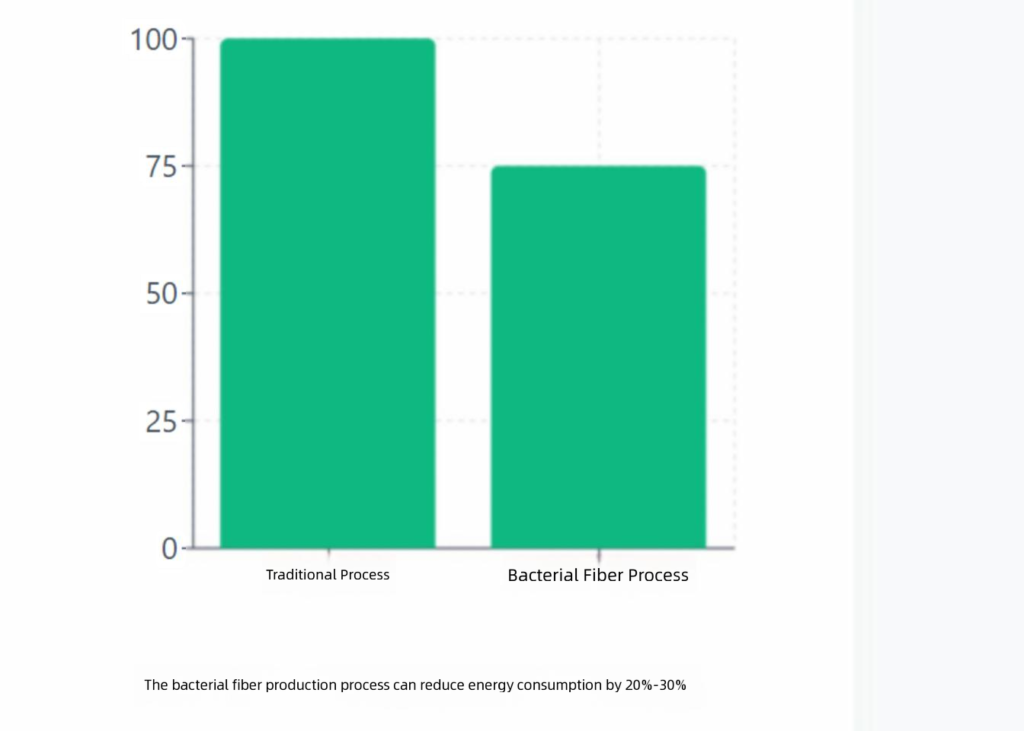
process employs advanced refining tower equipment and displacement technology, which can reduce energy consumption by 20%-30%, and achieve uniform distribution of chemicals and temperature, improving fibre quality.
Natural Antibacterial
Bacteria-resistant grass fibres have natural antibacterial and antiviral properties, can naturally degrade, comply with the carbon cycle concept, and are recognised as deep green products.
Application field
Fungal grass fibre can be widely applied in various fields, bringing innovative possibilities to different industries with its unique performance advantages
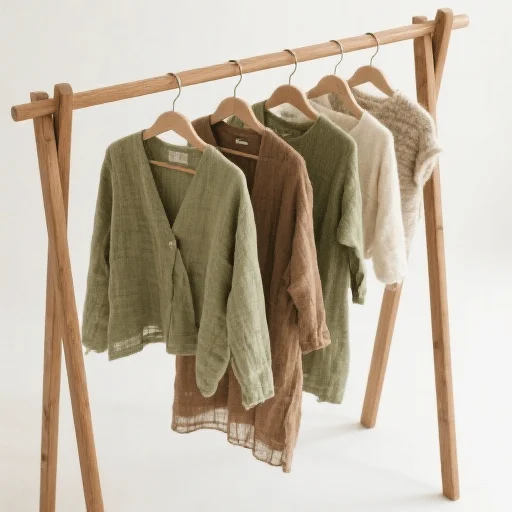
Fashion industry
Fungal grass fibre has obtained small-batch procurement due to its antibacterial and environmentally friendly properties, with a unit price exceeding 20,000 yuan per tonne, and is collaborating with well-known brands for market validation.

Home textile sector
Utilising its natural antibacterial properties and comfortable breathability, fungal grass fibre demonstrates excellent application prospects in home textile products.
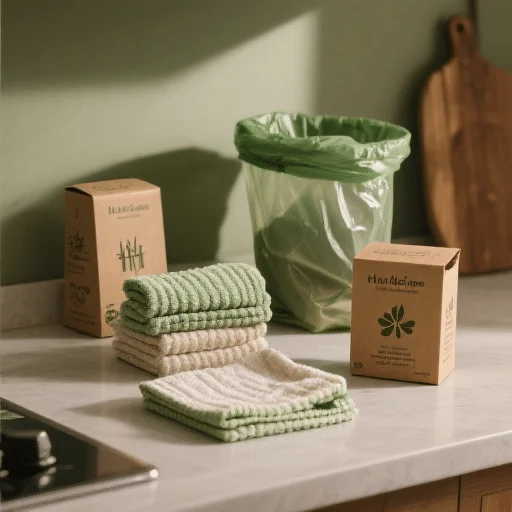
Daily use sector
Using fungal grass fibre in daily necessities is not only environmentally friendly and biodegradable, but also provides natural antibacterial protection.

Healthcare
Its natural antibacterial, antiviral and biodegradable properties make it potentially valuable in the healthcare field.
The market prospects are broad
As a new environmentally friendly material, mycelium fibre is gradually gaining market recognition. With the global emphasis on sustainable development and the rising environmental awareness of consumers, mycelium fibre is expected to become one of the key raw materials in the textile industry in the coming years.
Environmental protection and sustainability
Fungal grass fibre is not only a high-performance material but also an important choice for the sustainable development of the textile industry
Fashion industry
Using grass instead of wood
Reduce reliance on imported wood pulp and protect forest resources
Recycling
The production process can recycle resources, forming a closed-loop supply chain
Ecological restoration
Planting fungal grass helps improve soil, prevent wind erosion and sand fixation, and control soil and water loss
Biodegradability
Fungal grass fibre is naturally biodegradable and aligns with the concept of carbon cycling
Fashion industry