
E-Mail: charmfun@cdzgyc.com
1. Industry Context and Background
Juncao cellulose fibers are highly valued in apparel, home textiles, and medical sectors due to their superior moisture absorption and breathability. Traditionally sourced from cotton linters, wood (birch, beech, pine), and grasses, these materials are facing increasing supply chain and environmental pressures as global demand for eco-friendly products surges. In China, the high reliance on imported wood pulp (reaching 86% in 2022) and limited domestic forest resources have bottlenecked the industry. Consequently, identifying innovative non-wood fiber sources is a top priority. Juncao has recently emerged as a promising solution to address this raw material deficit.
2. Advantages of Juncao and Xinxiang Chemical Fiber’s Innovation
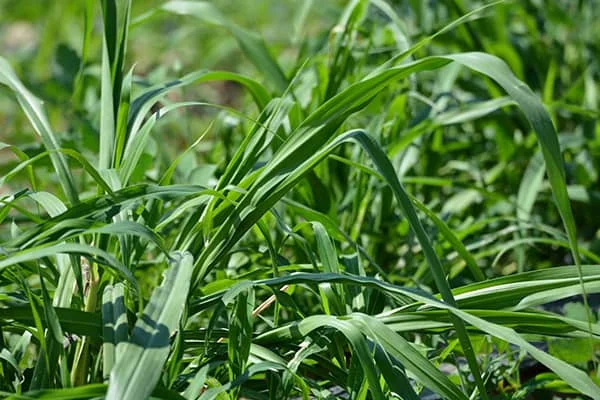
Chuangda International Heavy Industry Co., Ltd,. Xinxiang Economic Development Zone, by Xie Yueting’s team, has pioneered the R&D of Juncao-based fibers. Their research highlights that Juncao is an ideal non-wood source due to its high cellulose content, rapid growth, short cultivation cycle, ease of pulping, and natural antibacterial properties. The team has successfully developed high-quality Juncao pulp and produced both filament and staple fibers using multiple techniques, including the viscose method and green solvent methods (NMMO, Ionic Liquid, and DT solvent).
3. Key Manufacturing Technologies
3.1 Preparation of Juncao Pulp
The patented process involves rigorous pretreatment—cutting, disinfection, drying, and selection of internodes. The raw material is then cooked in a solution of alkali, catalysts, and additives at 160–175 °C for 4–6 hours. This yields high-purity pulp with an $\alpha$-cellulose content exceeding 91% and a viscosity of 14–20 mPa·s, meeting high-grade spinning requirements.
3.2 Fiber Spinning Techniques
The production of Juncao regenerated cellulose fibers primarily follows two routes:
Viscose Method: This traditional route involves steeping, pressing, aging, and xanthation. While the technology is mature and yields filaments with a dry breaking strength of 1.80–1.95 cN/dtex, its significant environmental footprint remains a challenge for sustainable development.
Green Solvent Methods: To achieve eco-friendly production, several advanced solvent systems are utilized:
NMMO Method: Utilizing recyclable NMMO as a solvent, this physical dissolution process minimizes pollution. The resulting fibers exhibit high performance, with filament breaking strength reaching 3.8–4.7 cN/dtex.
Ionic Liquid Method: This involves dissolving pulp in molten salts (e.g., imidazolium-based liquids) followed by dry-jet wet spinning. It offers high efficiency and tunability, though cost remains a primary consideration.
DT Solvent Method: Using a system of Tetrabutylammonium hydroxide (TBAH) and Dimethyl sulfoxide (DMSO), this method allows for dissolution at a mild 30 °C. It is recognized for its high efficiency and potential for low-cost solvent recovery, producing staple fibers with a breaking strength of 1.5–2.2 cN/dtex.